Aluminium Extrusion
Aluminium extrusion is a manufacturing process that shapes aluminium by pushing it in solid phase through a specially designed tool called a die. The die determines the final profile, allowing manufacturers to produce long, uniform pieces with precise dimensions. You can see extruded aluminium in buildings, vehicles, industrial machines, furniture, and countless other applications.
The extrusion of aluminium is popular because it produces components that are both strong and lightweight, making them ideal for a wide range of industries. This process also allows for flexible, custom designs, meaning designers can create everything from simple rods to complex profiles with multiple channels, grooves, or decorative patterns.
Why Aluminium Extrusion Matters
Lightweight and Strong
Aluminium is naturally light, yet it maintains remarkable strength. This combination makes aluminium extrusion highly useful in automotive and aerospace industries, where reducing weight improves fuel efficiency, handling, and overall performance. Think of it as using a steel beam to support a structure, but at a fraction of the weight.
Corrosion-Resistant
One of the advantages of extrusion of aluminium is that the metal naturally forms a thin protective oxide layer, which resists rust and corrosion. This makes extruded profiles ideal for outdoor structures, marine applications, and any environment exposed to moisture or changing weather. Unlike steel or iron, aluminium can last decades with minimal maintenance.
Precision and Flexibility
It allows the creation of intricate shapes with tight tolerances. Manufacturers can produce channels, slots, and decorative patterns in a single piece. This flexibility makes aluminium extrusion suitable not only for structural applications but also for consumer products like furniture, electronic casings, and custom industrial equipment.
Efficient Production
Once a die is created, aluminium extrusion can produce long, identical profiles quickly and efficiently. It is faster and more cost-effective than other methods like machining, casting, or cutting, making it ideal for large-scale production while maintaining consistent quality.
How the Extrusion of Aluminium Works
- Heating the Billet – Aluminium starts as a solid block called a billet. It is heated until it is soft enough to shape but not melted, similar to clay. Proper heating ensures the material flows smoothly through the die without cracking or losing strength.
- Extrusion Through the Die – The soft aluminium is pushed through a die, which determines the profile’s shape. Dies can produce simple profiles, like rods and squares, or complex designs with multiple channels and grooves. The extrusion head ensures uniform pressure and alignment during this stage.
- Cooling – Once extruded, aluminium is cooled using air, water, or controlled chambers. Cooling stabilizes the profile, preserves strength, and prevents warping or surface defects.
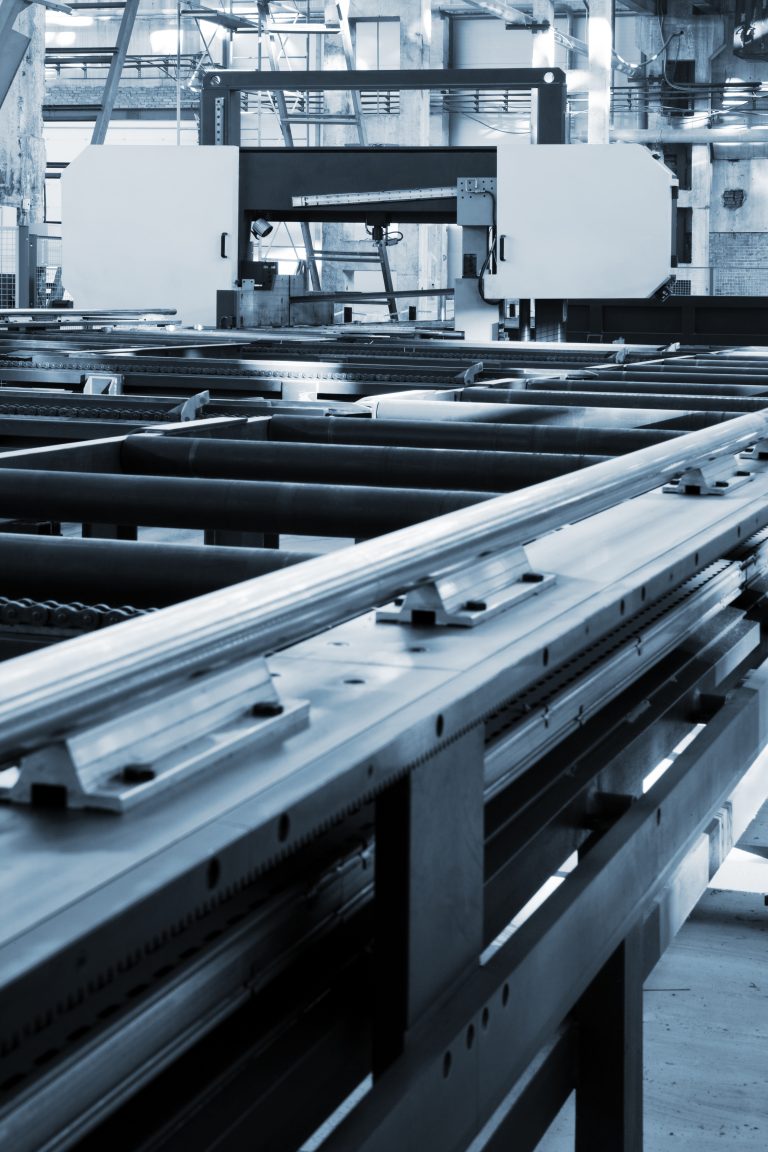
- Cutting and Finishing – The extruded aluminium is cut to the desired length using extrusion saw , after cutiing profiles are heat treated in ageing oven. Profiles may also undergo additional processes like straightening, anodizing, or powder coating to improve appearance and durability.
Careful control of each step is critical. Mistakes in temperature, pressure, or die alignment can affect the entire batch, reducing quality and increasing waste.
Applications of Aluminium Extrusion
- Construction – Windows, doors, facades, and support structures benefit from aluminium extrusion due to its strength, light weight, and corrosion resistance. Architects also favor aluminium for its ability to create sleek and modern designs.
- Automotive and Aerospace – Vehicle frames, chassis, roof rails , battery components airplane components use extrusion of aluminium to reduce weight while maintaining structural integrity. Complex profiles can be integrated into systems with minimal assembly.
- Industrial Machinery – Extruded aluminium profiles provide structural support for machines and equipment. Custom profiles allow manufacturers to meet exact specifications without excessive machining, saving time and cost.
- Consumer Products – Electronics, furniture, and home appliances often rely on extruded aluminium for durable and precise components. The flexibility of the extrusion process allows for innovative designs that would be difficult to achieve with other methods.
Contact
If you want to improve your extrusion processes, optimize production,imporve productivity and reduce scrap rate or plan a new plant, expert guidance can help. With years of experience, practical solutions can be tailored to your company’s needs.
Whether it’s a consultation, process audit,die design and shop improvement or team training, reaching out is the first step toward better efficiency, higher quality, and safer operations.